
REVIEW · WEST QATAR TOURS
Doha: Explore the North and West of Qatar With Transfers
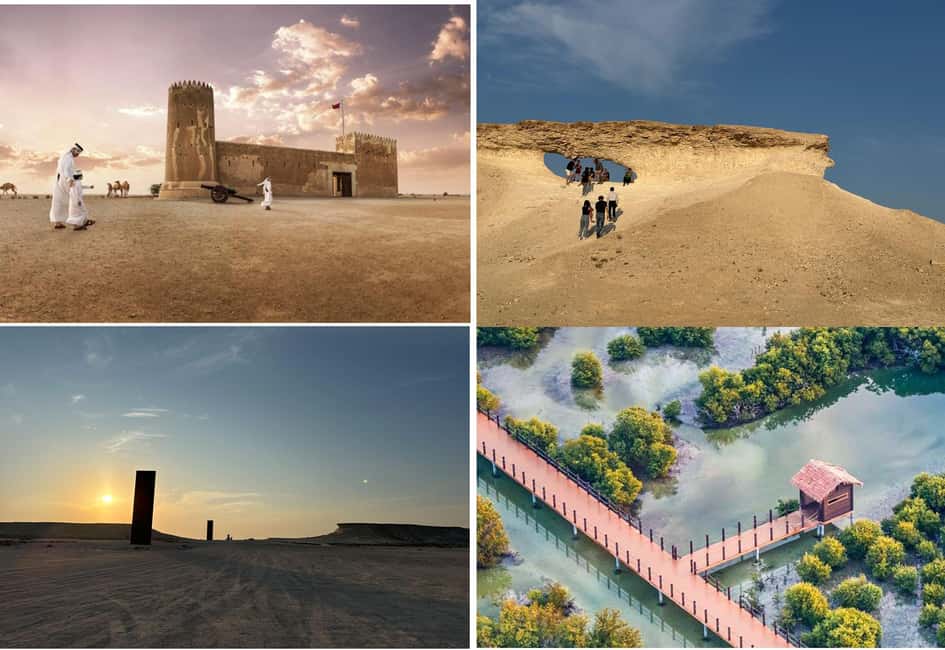
Qatar’s desert has more stories than skyscrapers. This seven-hour trip takes you far beyond Doha to Al Khor Harbour, Purple Island, Zubara Fort, Zekreet, and a camel race track, giving you a useful look at the country’s coast, old settlements, art, and desert scenery. I especially like the mix of outdoor stops and cultural sites, along with the chance to see parts of Qatar that are difficult to reach without a vehicle.
The tour also earns points for its small group of up to 12 people and its English-speaking guide-driver. Guides named Arum and Muzzi receive repeated praise for clear explanations, good driving, and making the long road time interesting. The main consideration is distance: you spend several hours in a 4×4, and meals are not included, so bring a snack if you need more than bottled water and karak tea.
In This Review
- The best reasons to take this Qatar day trip
- Why this tour is useful beyond Doha
- Al Khor Harbour begins with Qatar’s coastal past
- Purple Island brings mangroves and a short walk
- Zubara Fort gives the day its strongest history lesson
- Zekreet’s rocks show Qatar at its most unusual
- Zekreet Village and the fort ruins add human detail
- Richard Serra’s East-West/West-East changes the mood
- Camel racing closes the day with local tradition
- What the vehicle, group size, and guide mean
- Is $108 fair for seven hours?
- Who will enjoy this tour most?
- Should you book this North and West Qatar tour?
- FAQ
- How long is the tour?
- Where does the tour start and finish?
- What transportation is used?
- How many people are in the group?
- What language does the guide speak?
- Are food and drinks included?
- Is the tour wheelchair accessible?
- Can I cancel the booking?
The best reasons to take this Qatar day trip
- Al Khor Harbour and Purple Island: Start with Qatar’s fishing coast and a mangrove area where short walks and photo stops break up the drive.
- Zubara Fort: See one of Qatar’s most important preserved historic sites, with time for a guided visit of about an hour.
- Zekreet’s strange desert scenery: Limestone rock formations, village ruins, and open desert give you a very different view of Qatar than Doha can provide.
- Richard Serra’s steel artwork: Massive metal slabs turn an empty desert setting into an unusual meeting of modern art and nature.
- Camel racing: Finish at Al Shahaniya Camel Racetrack, a memorable stop that connects modern Qatar with a long-standing local tradition.
- Simple, flexible touring: Hotel pickup, an air-conditioned 4×4, water, karak tea, and free cancellation up to 24 hours before departure are included.
Why this tour is useful beyond Doha
Doha is polished, modern, and easy to enjoy on foot or by taxi. But it can give you an incomplete picture of Qatar. The northern coast, old trading settlements, desert rock, and camel racing grounds reveal a quieter country with a longer past.
I like the way this tour joins those pieces together in one day. You do not spend the entire day at one museum or fort. Instead, you move between coast, mangroves, archaeology, rock formations, public art, and sport. That range makes the trip especially useful if you have limited time in Qatar but want more than the capital’s major sights.
The route also has a good balance of guided stops and open-air breaks. You can listen to the guide’s explanation at Zubara Fort, then stretch your legs at Purple Island or walk near the Serra installation. The result is active without being a hard physical tour.
The tradeoff is the road time. The route uses a 4×4 or SUV, with drives of roughly 30 to 40 minutes between several stops. For me, that is a fair price for reaching distant sites, but you should not expect a relaxed, slow-paced village tour. This is a broad sweep of northern and western Qatar.
More of the west coast — Zekreet, the sculptures, the rock formations:
- From Doha: Day Trip to North And West Qatar With Pickup
★ 4.9 · 336 reviews - Qatar West Coast tour to Richard Serra Sculpture and Mushroom Rock Formation
★ 5.0 · 153 reviews - Qatar West Coast tour, Zekreet, Richard Serra Sculpture, Mushroom Rock Formation
★ 5.0 · 150 reviews
Al Khor Harbour begins with Qatar’s coastal past
The first main stop is Al Khor Harbour, about 40 minutes from Doha. It is a calm place for a photo stop and a short look at Qatar’s traditional fishing heritage.
This is not presented as a long museum visit. You come for the sea views, the harbor setting, and the guide’s explanation of how fishing shaped life along the coast. That short introduction helps put the rest of the day in context. Before oil and gas transformed the country, coastal work and trade were central to local communities.
You have about 20 minutes here. That is enough to take photographs and get a first feel for the route, but not enough for a detailed exploration of Al Khor. Think of it as a pleasant opening stop rather than a major attraction.
Purple Island brings mangroves and a short walk
Purple Island is one of the tour’s most appealing nature stops. The area is known for mangroves, coastal plants, and birdlife, with quiet paths for a walk and photographs.
You have around 30 minutes, including a guided visit. That timing works well for a brief stroll, though you will not have hours to explore every corner. I would wear comfortable shoes and bring sun protection because much of the attraction is outdoors.
The name refers to the island’s connection with purple dye production in the past. The key value today is the contrast between the low coastal vegetation and the dry surroundings. After the urban setting of Doha, the mangroves provide a welcome change of pace.
The tour description calls the area a place of biodiversity, but conditions can vary. You might find it especially scenic when the light is soft, while midday heat can make a short walk feel more demanding. Bottled water is provided, and the air-conditioned vehicle gives you a cool break before the next drive.
Zubara Fort gives the day its strongest history lesson
Zubara Fort is the most substantial cultural stop on the route, with about an hour for a visit, sightseeing, and a guided explanation. The fort is part of the Al Zubarah archaeological area, a UNESCO World Heritage site associated with Qatar’s historic trading activity.
This stop gives the guide room to explain the country’s earlier connections to regional commerce and coastal settlements. The fort itself is easier to appreciate when you understand that it was part of a wider trading center, not an isolated building dropped into the desert.
I would give this site your full attention. The tour moves quickly at some other stops, but an hour here allows time for photographs, a proper look around, and questions. The fort’s simple defensive form also makes a useful contrast with Doha’s glass towers. You see a country that once depended on sea routes, trade, and small settlements, then compare it with the present-day state later in the afternoon.
The setting is exposed, so sun protection matters. There is no meal included, and the tour runs for seven hours, so I would carry a small snack even though water and traditional karak tea are supplied.
A few more Doha days to weigh up
- Doha: Safari, ATV, Camels, Sandboarding and Inland Sea Tour
★ 4.8 · 5,291 reviews - Doha: ATV, Quad/Buggy Dune Bashing, Camel Ride, Sandboarding
★ 5.0 · 3,784 reviews - Desert safari, Dune bashing, sandboarding, camel, ATV Option
★ 5.0 · 2,826 reviews - Qatar Gold Dune Safari, Dune Bashing,Camel Ride,Sand Boarding,Inland Sea Desert
★ 5.0 · 2,807 reviews
Zekreet’s rocks show Qatar at its most unusual
After Zubara, the route turns toward the west and the Zekreet area. The itinerary gives you about 30 minutes for a rock formation stop, followed by time at a traditional village and a brief visit to fort ruins.
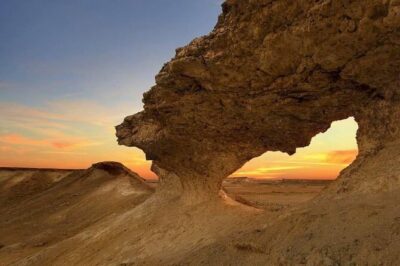
The Zekreet rock formations are made of pale limestone and rise sharply from the flat desert. Their shapes give you some of the most distinctive photographs of the day. This is not a mountain hike or a long desert trek. It is a chance to walk, look around, and see how wind and erosion have shaped the rock.
The open setting can feel stark and dramatic. I like this section because it has no polished urban finish. You get broad views, rough stone, and a sense of distance. The 4×4 is important here because the western sites are spread out and not suited to a simple city transfer.
Your time at the rock formation is limited to roughly 30 minutes. That is enough for photographs and a short walk, but you should not expect a long geological visit. If you enjoy taking many photographs or moving slowly, this may feel brief.
Zekreet Village and the fort ruins add human detail
The Zekreet village stop lasts about 30 minutes, followed by a 10-minute visit to Zekreet Fort Ruins. Together, these stops help you see how people once lived in this dry part of Qatar.
The village offers traditional architecture, old remains, and a quiet setting surrounded by desert. It is a small stop, but it adds something the rock formations cannot: evidence of daily life. You are not just looking at scenery. You are seeing traces of settlement, work, and movement through the region.
The fort ruins receive only about 10 minutes, so keep your expectations realistic. This is a quick look and photo opportunity rather than a full archaeological tour. The guide’s interpretation matters here, since ruins can be difficult to understand without context.
This part of the trip will suit you if you prefer places that feel less polished and less crowded. It may disappoint you if you want restored buildings, indoor exhibits, or extensive signage. The appeal is the setting and the story told by the guide.
Richard Serra’s East-West/West-East changes the mood
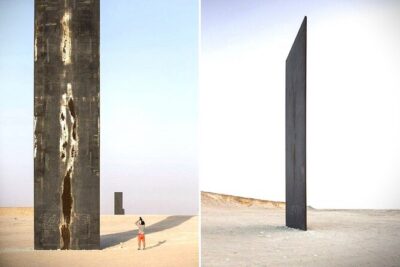
The Richard Serra installation is one of the most memorable stops because it is so unexpected. Four huge steel slabs stretch across the desert near Zekreet, creating a powerful line through the open setting.
You have about 30 minutes for a visit, sightseeing, and walking. The artwork does not need much explanation to make an impression, but a good guide can help you think about its scale and placement. The steel is stark against the desert, and the long spacing between the pieces encourages you to walk and look from different angles.
I like that the tour does not treat contemporary art as separate from Qatar’s natural setting. Here, the artwork depends on the emptiness around it. The desert is not just a backdrop. It gives the installation its size, silence, and sense of distance.
Wear sturdy, comfortable shoes. You may walk over uneven ground, and there is limited shade in an open desert location. The visit is short, but it is long enough to take photographs and appreciate the work without turning the day into an art lecture.
Camel racing closes the day with local tradition
The final major stop is Al Shahaniya Camel Racetrack, where you spend about 20 minutes. The tour frames this as a chance to watch the camels and learn about a deeply rooted Qatari tradition.
This is a strong ending because it brings you back from ancient sites and modern art to a living cultural practice. Camel racing is not simply a decorative piece of heritage. It remains part of Qatar’s identity, and the track gives you a more direct connection to that tradition.
The exact atmosphere can depend on what is happening at the track when you arrive. The planned stop includes a visit and photo opportunity, and the tour information presents camel racing as the focus. I would treat it as a compact introduction rather than a guaranteed full race event lasting the entire visit.
The desert setting adds to the sense of occasion. After a day of coast, ruins, and rock, the camels provide a final image that is both familiar and distinctly Qatari.
What the vehicle, group size, and guide mean
Transportation is by air-conditioned 4×4 or SUV, with hotel pickup and drop-off in Doha. That matters on this route. The sites are widely separated, and a standard city vehicle would not offer the same practical flexibility for reaching the western desert areas.
A small group is limited to 12 people. This is a useful middle ground. You get the convenience of a guided excursion without the scale of a large coach tour. It should also make it easier to hear the guide and ask questions during the longer road sections.
The guide is an English-speaking driver. Arum is praised for explaining Qatar’s past, answering questions, and making the route engaging. Muzzi is also described as a strong guide and careful driver. Your assigned guide may vary, but the repeated emphasis on clear storytelling and good driving is encouraging.
That guide-driver arrangement has one practical implication: the quality of the day depends partly on how well the guide balances driving, safety, timing, and explanation. The positive comments about both Arum and Muzzi suggest that the company has delivered a well-managed experience, but no tour can guarantee a particular guide by name unless that is confirmed at booking.
Is $108 fair for seven hours?
At $108 per person, I see this as fair value if you want to cover several distant sites without arranging a private vehicle. The price includes hotel pickup and drop-off, an air-conditioned 4×4, an English-speaking guide-driver, bottled water, and karak tea.
You are paying not only for admission-style sightseeing, but also for transport across a wide section of Qatar. Doing the north and west independently could require more planning, navigation, and vehicle access. The small group also adds value compared with a large sightseeing bus.
The price does not include meals. Since the trip lasts seven hours, I would eat before pickup and carry a snack. Water and karak tea help, but they are not a substitute for lunch.
Flexible booking makes the cost easier to manage. You can cancel up to 24 hours ahead for a full refund, and reserve now while paying later. The tour is also listed as wheelchair accessible, though the outdoor rock, village, and desert stops may still vary in ease depending on the ground and walking route.
Who will enjoy this tour most?
I would recommend this trip if you want to see Qatar beyond Doha and prefer a guide to explain what you are looking at. It suits first-time visitors, people on a short stop in the country, and anyone interested in combining nature, archaeology, art, and local tradition.
It is also a good match for photographers. Purple Island, Zekreet’s rock formations, the old village, and Serra’s steel slabs all offer different visual settings. You will get the most from it if you are comfortable with frequent short stops and several stretches in a vehicle.
I would think twice if you want a slow day at one major site, a long nature walk, or a food-focused outing. The schedule covers a lot of ground, and most stops last between 10 and 30 minutes, with Zubara receiving the longest visit.
Should you book this North and West Qatar tour?
I would book it if your main goal is to understand how Qatar extends beyond Doha. The strongest parts are the variety, the guide-led explanations, Zubara Fort, the strange Zekreet rock formations, and the contrast between Serra’s modern art and the desert around it.
The tour is less suitable if you dislike driving or need long, unhurried visits. Still, the seven-hour format makes practical sense, and the 4×4, small group, hotel transfers, water, and karak tea cover the basics well.
Bring sun protection, comfortable shoes, and a snack. If you want Qatar’s coast, old trading world, rural remains, desert scenery, contemporary art, and camel culture in one organized day, this is a strong choice.
FAQ
How long is the tour?
The tour lasts seven hours, including transportation between the Doha pickup point and the northern and western sites.
Where does the tour start and finish?
Pickup and drop-off are provided in Doha. The stated route begins and ends in Doha.
What transportation is used?
Transportation is provided in an air-conditioned 4×4 or SUV.
How many people are in the group?
The tour is a small-group experience limited to 12 participants.
What language does the guide speak?
The live guide speaks English. The guide also serves as the driver.
Are food and drinks included?
Bottled drinking water and traditional karak tea are included. Meals are not included.
Is the tour wheelchair accessible?
Yes, the activity is listed as wheelchair accessible.
Can I cancel the booking?
You can cancel up to 24 hours in advance for a full refund. The tour also allows you to reserve now and pay later.
Just added for Doha
- Doha: Night Desert Safari With Stargazing and Inland Sea★ 5.0 · 9 reviews
- From Doha: Private West Coast and Camel Race Track Tour★ 4.7 · 4 reviews
- Doha Delights City Tour with Desert Safari and Inland Sea Visit★ 5.0 · 5 reviews
- Doha Layover or Doha Stopover Tour with Desert & City Tour★ 5.0 · 3 reviews
- Private Wakesurfing or Wakeboarding along Doha’s skyline★ 5.0 · 3 reviews
- Doha-Private half day safari Sunrise/Sunset★ 5.0 · 6 reviews
- Private Dunes Bashing | Desert Safari | Sand Boarding★ 5.0 · 5 reviews
- West of Qatar Tour★ 5.0 · 2 reviews
West Qatar Tours, compared.
Qatar West Coast tour to Richard Serra Sculpture and Mushroom Rock Formation
Read our review →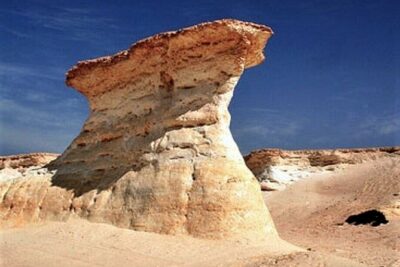
Qatar West Coast tour, Zekreet, Richard Serra Sculpture, Mushroom Rock Formation
Read our review →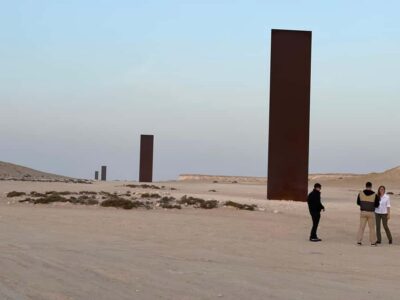
West Qatar tour to Richard Sierra sculpture,Umbrella Rock
Read our review →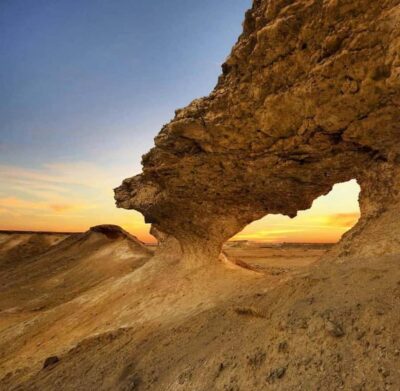
West Coast Qatar Tour, Sculptures, Camel Racing track
Read our review →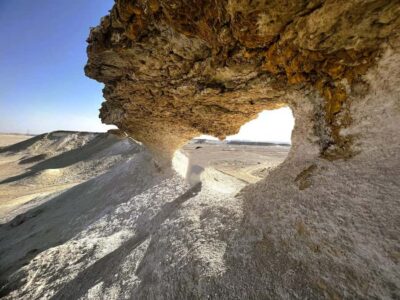
West Coast tour, Zekreet, Richard Serra Sculpture, Mushroom Rock Formation
Read our review →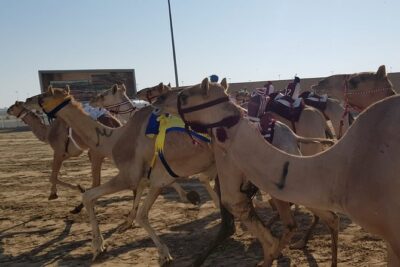
Half-Day Private Guided Camel Race Tour in Qatar
Read our review →Browse the lists this tour appears in