
REVIEW · NORTH QATAR TOURS
Qatar: Combo Tour of the North and West with Pickup
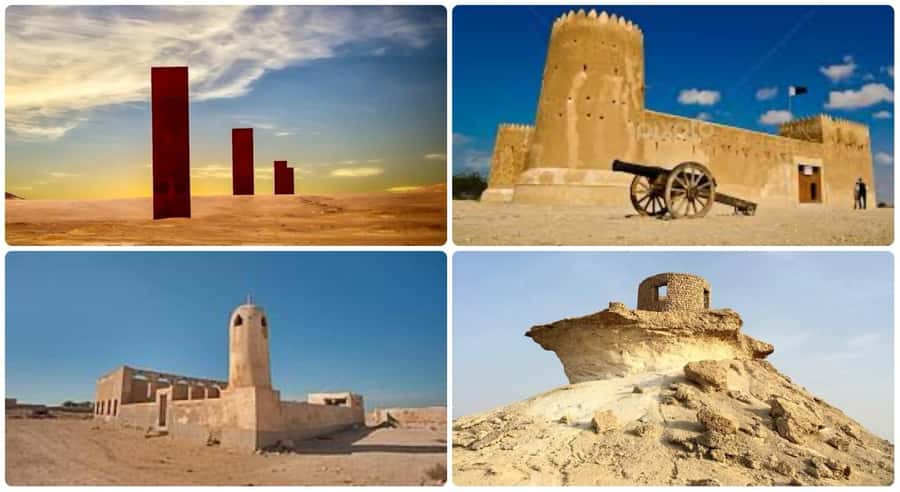
Qatar gets much more interesting outside Doha. This eight-hour private-style excursion links Al Khor harbor, Purple Island, Zubara Fort, abandoned Jumail village, camel country, and the strange rock formations of Zekreet in one long day. I especially like the mix of coastal nature and old Qatari settlements, and I like that the 4WD vehicle makes the rougher western roads possible. The main point to check before booking is group size: the experience is described as private, yet one guest found three other people in the vehicle.
The best guides appear to make a major difference. Adnan, Abdullah, Abdul Rahman, Hassan, Sajid, Rehan, Adil, and others have been praised for clear explanations, good organization, patience, and help with photographs. At $66 per person, the tour offers strong value if you want to see several distant parts of Qatar without arranging separate transport, though meals are not included and the day involves a lot of driving.
In This Review
- Key points to know before you book
- An eight-hour route beyond Doha
- Al Khor harbor and Qatar’s old coastal economy
- Purple Island and the Al Thakira mangroves
- Zubara Fort, Qatar’s first UNESCO World Heritage Site
- Jumail village and the remains of older Qatar
- The camel racetrack and a taste of Qatari tradition
- Zekreet and the famous umbrella-shaped rock
- Richard Serra’s desert artwork
- Guides, comfort, and the private-tour question
- Is $66 a good value?
- Who should book this northern and western route?
- FAQ
- How long does the tour last?
- Where does pickup take place?
- Is the tour private?
- What language is the tour guide?
- What transport is included?
- Is food included?
- What should I bring?
- Can I visit Zubara Fort on this tour?
- Which natural areas are included?
- Can I cancel the booking?
- Should you book it?
Key points to know before you book
- Al Khor and Purple Island give the day a strong start: You see Qatar’s old fishing and pearl-trading coast before heading inland.
- Zubara Fort is the cultural anchor: Qatar’s first UNESCO World Heritage Site adds real historical substance to the outing.
- Jumail village shows a quieter side of the country: Limestone and mud houses reveal how coastal communities once lived.
- Zekreet is the visual highlight: Limestone shapes, desert tracks, and the famous umbrella-shaped rock make this the best part for photographs.
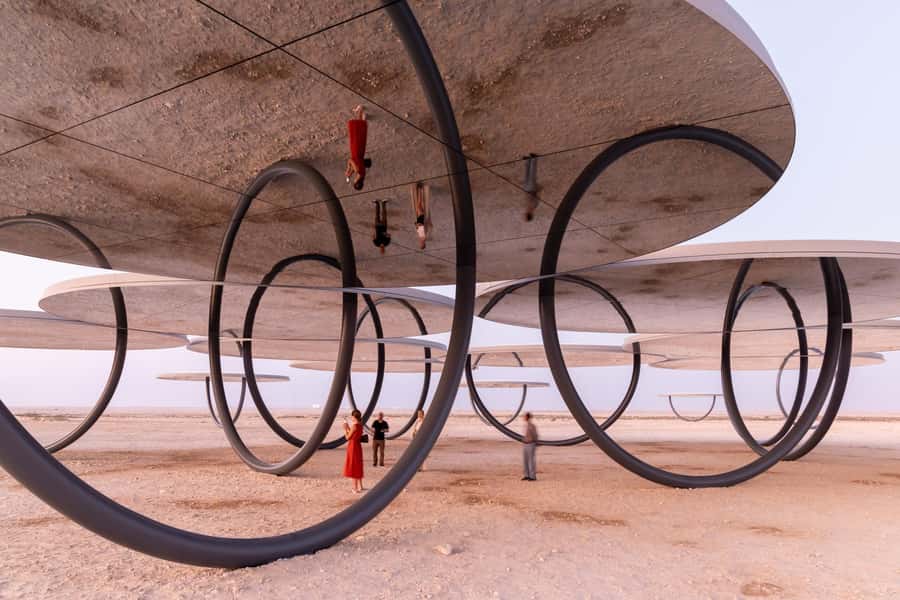
- Richard Serra’s desert artwork changes the mood: The huge steel installation brings modern art into an otherwise stark setting.
- The guide can shape the whole experience: Strong recent feedback singles out Adnan, Abdullah, Abdul Rahman, Hassan, Sajid, and Rehan for useful local explanations.
An eight-hour route beyond Doha
This is not a quick sightseeing circuit. From Doha, the first transfer takes about 40 minutes, and the route then covers both the northern coast and the western desert. You spend time walking at several stops, riding in an air-conditioned 4WD vehicle, and listening to an English-speaking guide explain the places along the way.
That combination matters in Qatar. Public transport will not connect these remote sites in a practical way, and hiring a car can leave you wondering where to turn once paved roads give way to open desert tracks. The included vehicle, bottled water, coffee or tea, and insurance make the $66 price feel reasonable, especially for anyone without a car.
The pace is ambitious, but the day is designed to keep moving. You may not get a long, leisurely visit at every stop. Still, the route gives you a broad look at northern and western Qatar instead of spending the whole day in one museum or one town.
More of the north — Al Zubarah, Purple Island, the mangroves:
- North Qatar: Zubara Fort, Jumail Village, Thakhira Mangroves
★ 5.0 · 41 reviews - Doha: Private North Qatar Tour, Mangroves, & Zubara Fort
★ 4.8 · 30 reviews - Explore Qatar’s Past: North & West Full-Day Heritage Tour
★ 5.0 · 19 reviews
Al Khor harbor and Qatar’s old coastal economy
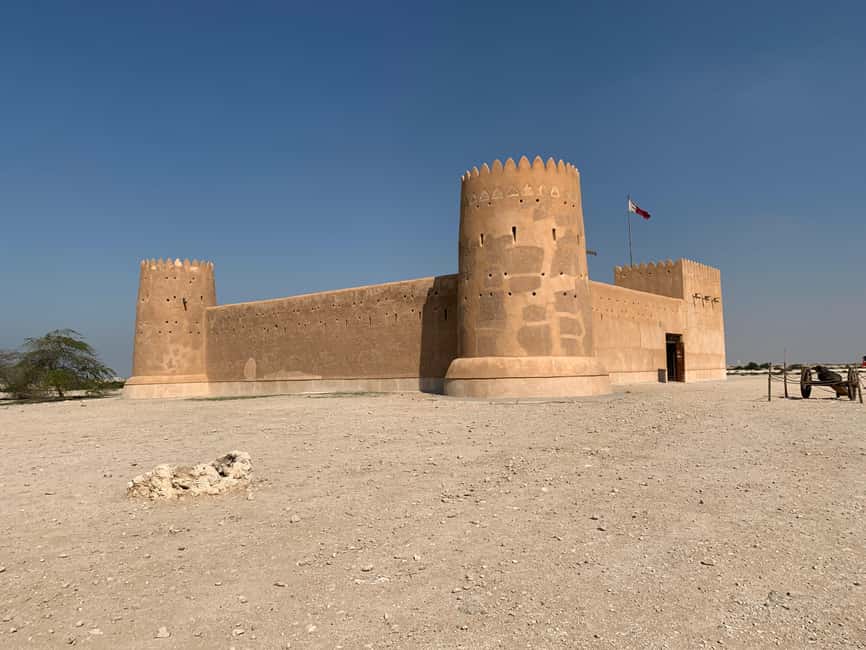
Al Khor harbor is the first major stop, and it gives the tour a useful human setting. Before Qatar’s modern energy wealth, this coast depended heavily on fishing and pearl gathering. The harbor was an important center for both.
You can expect a guided visit, time for photographs, and views of the working waterfront. The value here is not a grand monument. It is the chance to connect Qatar’s modern story with the sea that supported its older communities.
If you have already spent several days around Doha’s polished museums and towers, Al Khor provides a welcome change. It helps you picture a smaller coastal economy built around boats, fish, and the seasonal search for pearls.
The stop may appeal most to people who enjoy local history in ordinary settings. If you want constant spectacle, the harbor could feel modest. Think of it as a useful opening chapter rather than the star attraction.
Purple Island and the Al Thakira mangroves
The route continues toward Purple Island and the mangroves around Al Thakira. This is one of the calmer sections of the day, with a walk, photo opportunities, and open views that contrast with Doha’s dense urban center.
The mangroves are worth seeing because they show a side of Qatar many first-time visitors miss. The country is often pictured as pure desert, but its coast also includes shallow water, tidal vegetation, and wildlife areas. Purple Island adds another layer, linking the natural setting with Qatar’s older coastal past.
Wear comfortable shoes here. The tour information specifically recommends them, and you will be walking at more than one stop. A hat, sunscreen, and a camera also belong in your day bag. There is no need to turn this into a heavy expedition, but the sun can make a short walk feel longer than expected.
The mangrove stop is scenic rather than packed with formal attractions. I would value it most early in the day, when the quieter setting helps break up the drive. Anyone hoping for a long boat trip should note that no boat ride is included in the information provided.
Zubara Fort, Qatar’s first UNESCO World Heritage Site
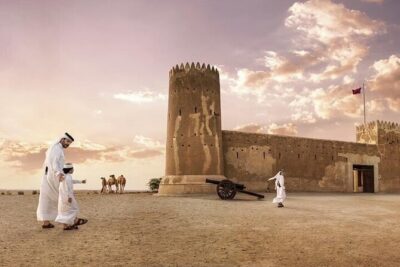
Zubara Fort is the central historical stop. Qatar’s first UNESCO World Heritage Site is known for its archaeological setting, and the fort gives the day a clear connection to the country’s past.
You can walk around the site, take photographs, and hear the guide explain its role. The surrounding archaeological area matters as much as the fort itself. It reflects an older coastal settlement and the trade and pearl economy that once shaped northern Qatar.
This is where having a good guide becomes especially valuable. A fort can be reduced to a few walls and photo stops if nobody explains what you are seeing. Guides such as Abdullah, Abdul Rahman, and John were praised for making the sites understandable, answering questions, and connecting the buildings to Qatari culture and history.
Do not expect a huge museum complex or a full day at the fort. The visit is one part of a much wider route. But if you want one stop with formal international recognition and a strong historical focus, Zubara is it.
Not quite what you had in mind? These cover the same ground differently:
- Full- day Qatar North And West Tour | History And Heritage
★ 4.9 · 13 reviews - Doha Full Day Guided Tour in Qatar North and West
★ 4.5 · 12 reviews - Doha: Private Purple Island Mangroves Kayaking Adventure
★ 5.0 · 12 reviews - Doha: Al Zubara Fort, Al Jumail & Al Thakira Tour
★ 5.0 · 9 reviews
Jumail village and the remains of older Qatar
The abandoned village of Jumail adds a more intimate look at the past. Its traditional houses were built from limestone and mud, and the remains give you a sense of how settlements were made before modern construction transformed the country.
You can walk through the area with the guide and stop for photographs. The appeal is in the worn walls, simple forms, and quiet setting. Unlike a restored heritage site, Jumail feels less polished. That makes it easier to imagine the daily life that once took place there, even though the remaining structures are now silent.
This stop also helps balance Zubara Fort. Zubara offers a major historic site with a formal status, while Jumail shows the ordinary architecture of a village. Together, they make the northern section more than a collection of scenic viewpoints.
The ground may be uneven, so comfortable footwear is more than a packing suggestion. You should also bring water, although bottled water is included.
The camel racetrack and a taste of Qatari tradition
After the northern sites, the route turns west and passes through Al Shahaniya, an area associated with camel racing. The camel racetrack is listed as a photo stop, guided visit, or pass-by depending on the schedule.
That flexibility is worth noting. You may receive a proper look at the racetrack, or it may be a shorter stop built around the day’s timing. The supplied details do not promise a race, a stable visit, or a specific animal encounter.
Still, the stop adds cultural variety. A day spent only among ruins and rocks would tell an incomplete story. Camel racing connects the modern country to older Gulf traditions, and the wider Al Shahaniya area gives you a look at a part of Qatar far removed from the capital.
One particularly appealing possibility is an unplanned stop to see oryx, Qatar’s national animal. This was described as a highlight during one outing, but you should treat it as a possible bonus rather than a guaranteed part of every departure.
Zekreet and the famous umbrella-shaped rock
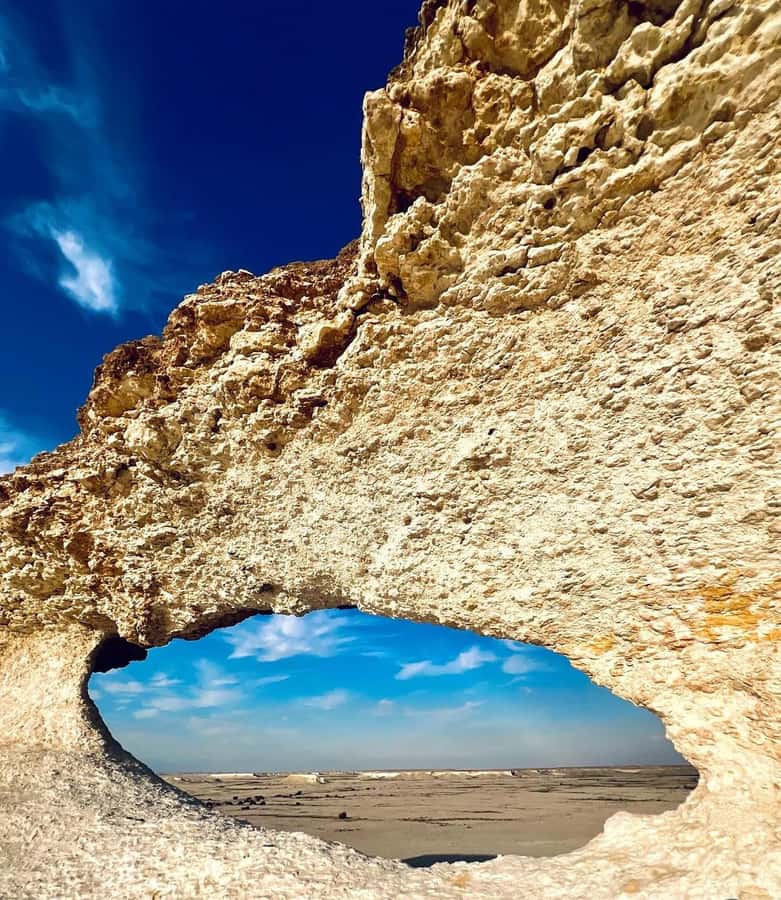
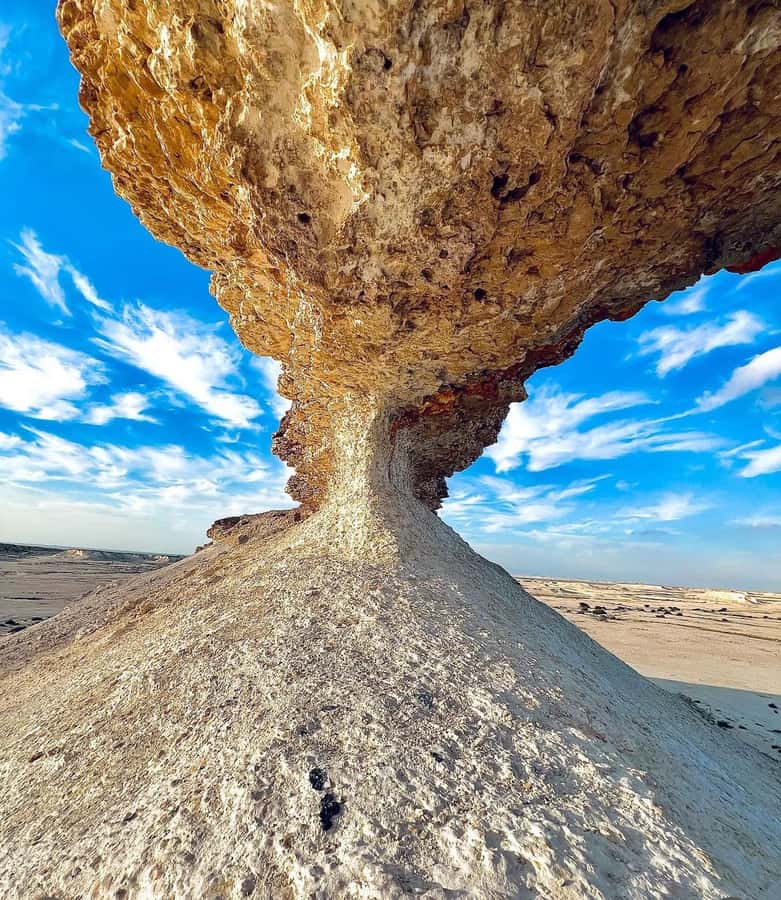
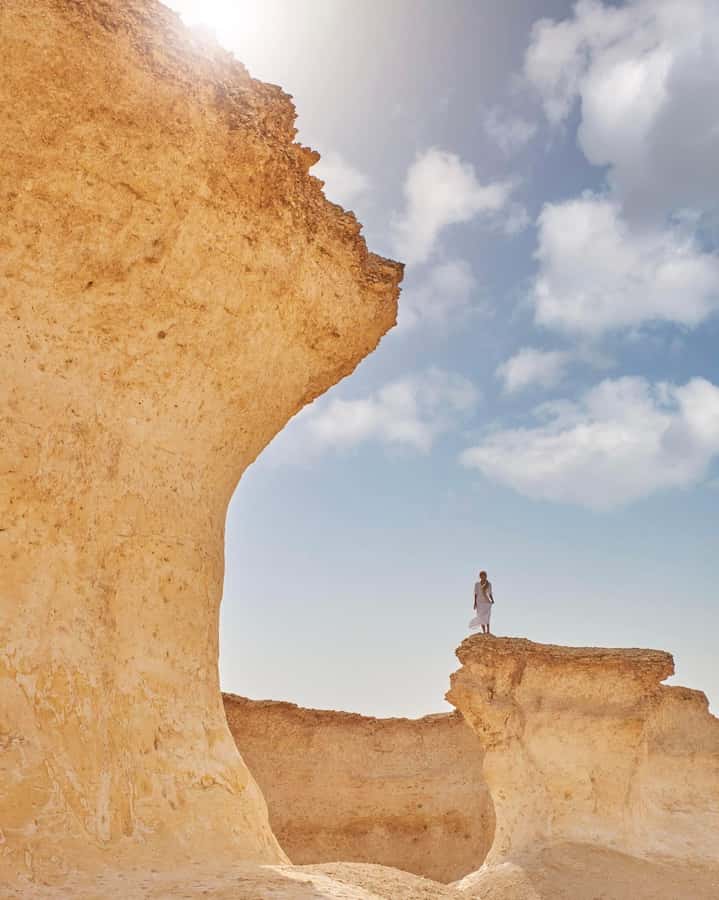
Zekreet is where the scenery becomes most unusual. The peninsula is known for pale limestone formations, desert tracks, and the famous umbrella-shaped rock that has become a favorite photography subject.
The shapes can look almost artificial, especially against the open desert. That is the pleasure of this stop: you are not simply looking at a standard dune view. The rock formations have a strange, sculpted quality, and the 4WD ride lets the tour reach areas that are difficult to connect by ordinary road transport.
The outing includes a walk and time for photographs. Depending on the schedule, Zekreet may also be visited around sunset, when lower light can add stronger shadows to the rocks. The itinerary refers to sunset and scenic views, but exact timing depends on the day’s start time and how long earlier visits take.
The drawbacks are practical. This is a large open area with little shade mentioned, so a hat and sunscreen are essential. If you dislike bumpy off-road driving, ask about the vehicle and route before booking. One useful detail from the feedback is that off-road driving was described as comfortable and fun, but that experience can still vary from person to person.
Richard Serra’s desert artwork
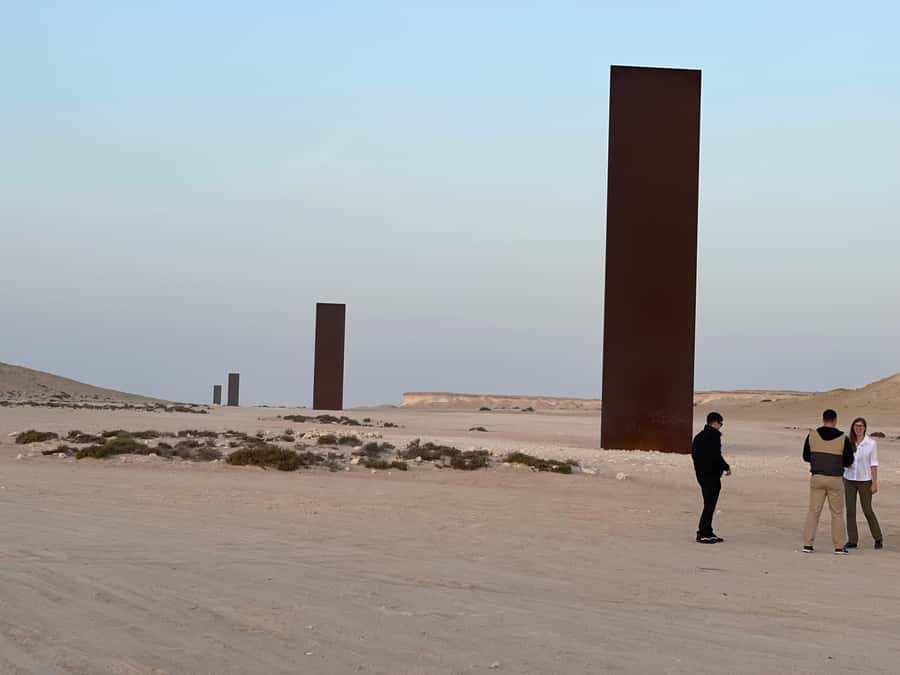
The Richard Serra installation is one of the most memorable stops because it changes your idea of what belongs in the desert. Large steel plates rise from the open setting, creating a sharp contrast with the low limestone formations and sand.
You can walk around the artwork, take photographs, and have coffee or tea. An arts and crafts market visit is also included in the stated activities, although the exact setup may vary. The tea break adds a local touch to a day otherwise built around driving and sightseeing.
I like this stop because it is not just another view from the vehicle. The installation asks you to slow down and look at scale, distance, and silence. You do not need a background in modern art to enjoy it. The contrast between the heavy steel and the empty desert is clear enough on its own.
This is also a good place to think about the tour’s wide range. In one day, you move from fishing history to mangroves, village ruins, a UNESCO site, camel culture, natural rock formations, and contemporary art. That variety is the strongest reason to choose this combined route.
Guides, comfort, and the private-tour question

The guide is the part of the experience most likely to affect your enjoyment. The strongest praise goes to guides who explain sites throughout the journey rather than waiting until each photo stop. Adnan was described as friendly and helpful with photographs, Abdullah as clear and well organized, and Abdul Rahman as engaging and strong on local stories. Hassan, Sajid, Rehan, and Adil also received praise for kindness, patience, professionalism, and useful information.
You are promised an English-speaking live guide. The vehicle is air-conditioned, and 4WD transport is included. Coffee or tea and bottled water are provided, but meals are not, so plan accordingly within the limits of the information supplied.
There is one important wording issue. The experience is presented as a private tour, and a private group option is available. Yet one person expected a private outing and found three other people in the vehicle. I would confirm the exact group arrangement with Golden Adventures Doha before paying, especially if privacy is important to you.
The tour offers pickup from Doha hotels and the airport. The return transfer takes about 45 minutes, so the full day includes substantial time on the road. That is unavoidable when combining northern and western Qatar in one outing.
Is $66 a good value?
At $66 per person, this is good value for the amount of ground covered. You receive pickup, an air-conditioned 4WD vehicle, bottled water, coffee or tea, insurance, and an English-speaking guide. More importantly, you get access to remote sights that would be difficult to combine without private transport.
The price is less attractive if you want a slow visit at each place or a meal included. The route has many stops, and the total eight-hour duration means some visits will be fairly focused. You are paying for variety, transport, and interpretation rather than a luxurious day with long breaks.
The reserve-now, pay-later option and free cancellation up to 24 hours before departure offer useful flexibility. Starting times depend on availability, so check the departure time carefully if you are trying to fit this around a flight or another Doha activity.
Who should book this northern and western route?
I would recommend it to you if you want to see Qatar beyond the capital in one day, especially if you care about history, desert scenery, photography, and local culture. It suits first-time visitors who want an overview and short-stay visitors who do not have time to plan several separate trips.
It is also a good match for people who enjoy variety. You move from harbor to mangrove, fort to abandoned village, racetrack to desert art. That range keeps the day from feeling repetitive.
I would be more cautious if you want a private vehicle with no other passengers, a sit-down meal, or a relaxed schedule with no long transfers. Confirm the group size first, bring sun protection, and accept that this is a full day on the move.
FAQ
How long does the tour last?
The tour lasts eight hours, including transfers from Doha and the return journey.
Where does pickup take place?
Pickup is available from Doha hotels and the airport.
Is the tour private?
A private group option is available, but you should confirm the exact group arrangement before booking because the private description may not always mean you will travel alone.
What language is the tour guide?
The live tour guide provides the tour in English.
What transport is included?
The tour includes 4WD transportation in an air-conditioned vehicle.
Is food included?
Meals are not included. Coffee or tea and bottled water are included.
What should I bring?
Bring comfortable shoes, a hat, sunscreen, and a camera.
Can I visit Zubara Fort on this tour?
Yes. Zubara Fort is one of the main stops and is Qatar’s first UNESCO World Heritage Site.
Which natural areas are included?
The route includes the Al Thakira mangroves, Purple Island, the Zekreet Peninsula, and limestone rock formations in the Zekreet area.
Can I cancel the booking?
You can cancel up to 24 hours in advance for a full refund. A reserve-now, pay-later option is also available.
Should you book it?
Book this tour if you want an efficient, well-supported day outside Doha and like the idea of combining history, coast, desert, wildlife possibilities, and modern art. The most valuable parts are the range of stops, the included 4WD transport, and the guides who explain what you are seeing.
Before booking, confirm whether your departure will be fully private, check the start time, and plan for sun and a long day in the vehicle. If those details suit you, $66 is a fair price for one of Qatar’s broadest day trips beyond the city.
Just added for Al Khor
- Qatar: Al Thakira Mangrove Forest Kayaking Tour★ 5.0 · 3 reviews
- Discover Purple Island | Guided Mangrove Kayaking Experience★ 3.6 · 6 reviews
- Doha Full Day Guided Tour in Qatar North and West★ 4.5 · 12 reviews
- Full Day Tour to Qatar North and West / History and Heritage★ 4.9 · 7 reviews
- Full Day Tour to Qatar North And West With Pickup From Doha★ 4.7 · 5 reviews
- From Doha: Private Al Jassasiya, Zubarah & Purple Island.★ 5.0 · 2 reviews
- Full- day Qatar North And West Tour | History And Heritage★ 4.9 · 13 reviews
- From Doha: North of Qatar Private Guided Tour with Transfers★ 5.0 · 6 reviews
North Qatar Tours, compared.
Full Day Tour to Qatar North And West With Pickup From Doha
Read our review →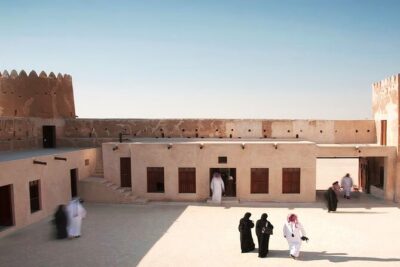
North Qatar Half-Day Tour: Al Zubarah, Purple Island & Mangroves
Read our review →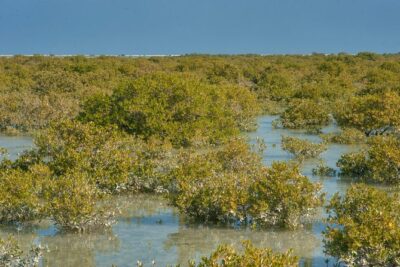
North Qatar Tour | Zubara Fort | Purple Island | Mangros Colony
Read our review →Full Day Tour to Qatar North And West With Pickup From Doha
Read our review →
Doha North Qatar Tour Zubara Fort, Mangroves, Jumail Village
Read our review →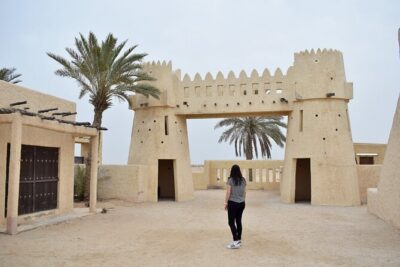
North of Qatar Tour to Olafur Eliasson Zubara Fort Jumail Village
Read our review →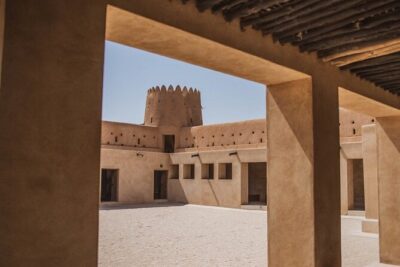
North of Qatar Tour, Zubara Fort, Mangroves, Jumail Village
Read our review →Browse the lists this tour appears in