
REVIEW · MUSEUMS & CULTURE TOURS
4-Hour Private Museum of Islamic Art in Qatar Tour
A museum visit can explain a whole civilization. This private Doha tour pairs the striking Museum of Islamic Art with private transportation, giving you time to study manuscripts, coins, ceramics, glass, textiles, and jewelry without being tied to a large group. I especially like the one-group format and the chance to see the museum’s famous building, designed by architect I. M. Pei, as part of the experience. The main catch is the confusing admission information: the tour details list a separate museum ticket cost of $14, while another section says admission is included, so confirm this before you pay.
The visit is planned for about four hours, with roughly three hours assigned to the museum itself. That is a sensible pace for a first visit, though anyone who studies every object closely could easily want longer. Pickup is offered, and the tour is a practical choice if you want context during the drive rather than simply finding your own way to the museum.
In This Review
- Key details at a glance
- Why the building is part of the tour
- The collection, from Qur’anic manuscripts to Ottoman works
- Why the coins deserve your time
- The glass collection is a visual highlight
- A closer look at ceramics, jewelry, textiles, and woodwork
- What the private format changes
- Is four hours enough?
- Price and value at $135 per person
- Who should book this Doha museum tour?
- Booking, timing, and cancellation details
- Should you book the Museum of Islamic Art tour?
- FAQ
- Where does this tour take place?
- How long does the experience last?
- Is the tour private?
- Is pickup available?
- Is private transportation included?
- How much does the tour cost?
- Is the museum entrance fee included?
- What can I see at the Museum of Islamic Art?
- How old are the manuscripts in the collection?
- Can most people participate?
- Is a mobile ticket available?
- Can I cancel for a full refund?
Key details at a glance
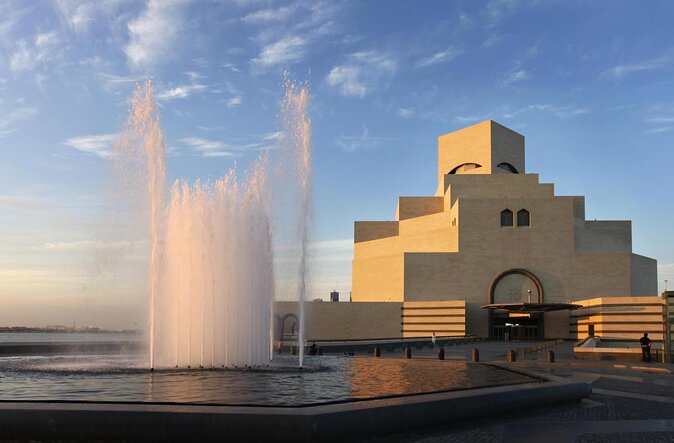
- I. M. Pei’s geometric waterfront building: The museum is as memorable from outside as it is inside, with terraces and Gulf views.
- More than 800 Qur’anic manuscripts: The collection spans early Qur’ans from the 7th century through Ottoman works of the 19th century.
- Exceptional coin collection: Gold and silver coins offer a direct way to trace trade, power, faith, and daily life across the Muslim world.
- Private transportation and pickup: You travel with only your own group, and the drive can include useful facts about Doha.
- A three-hour museum visit: You have enough time for the main collection, but a serious art enthusiast may want more.
- $135 per person, before possible museum admission: The value depends largely on group size and whether the $14 entry fee is already covered.
Why the building is part of the tour
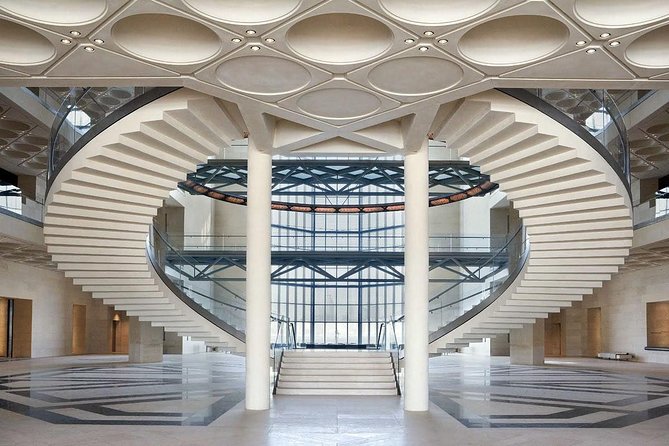
The Museum of Islamic Art sits beside the Persian Gulf, separated from Doha’s modern skyline by open water and broad views. Its pale, cubistic form rises in stacked geometric shapes, creating a building that feels almost spare from a distance. Up close, the angles, arches, and carefully framed views become part of the visit.
I would not rush through the entrance. The outside areas are especially worthwhile for photographs, and the terraces give you a clear view toward central Doha. The setting helps explain the museum’s role in the city: Qatar is presenting Islamic art in a highly modern architectural space, not locking it away in a traditional-looking building.
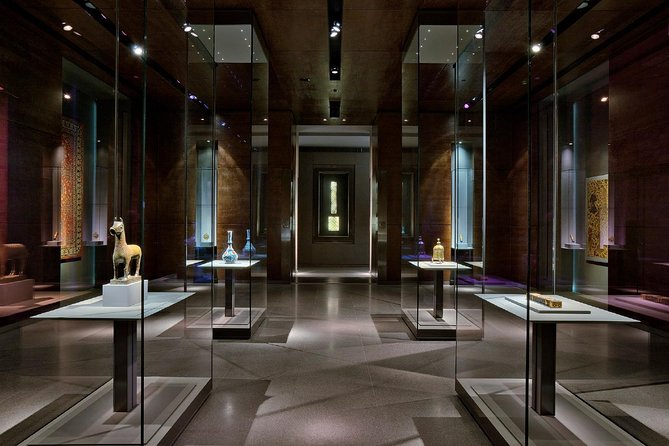
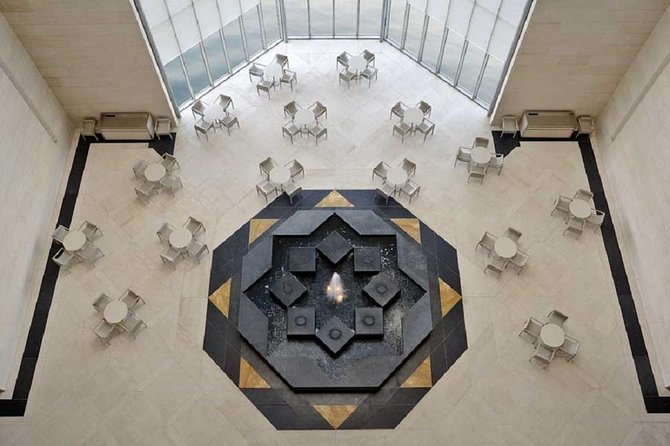
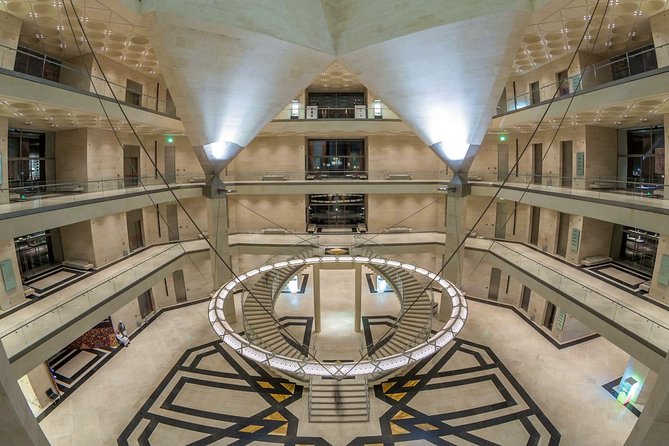
The building was designed by I. M. Pei, the architect behind several major museum projects around the world. Inside, the lighting is carefully controlled, allowing metalwork, glass, manuscripts, and textiles to receive attention without the displays feeling crowded.
A café is available inside, and its location gives you another chance to look toward the skyline. A restaurant on the top floor has not always been open, so do not plan your entire meal around it. The café can also be busy, with finding a table sometimes taking patience.
More museums and old-quarter walks in Doha:
- Doha City Tour | Souq Waqif | Courniche | The Pearl | Katara etc
★ 5.0 · 946 reviews - Doha City Tour: Guided Tour to Souq Waqif, Katara, Pearl Island
★ 5.0 · 161 reviews - Doha City Tour: Souq Waqif, Katara, The Pearl, and Corniche
★ 5.0 · 150 reviews
The collection, from Qur’anic manuscripts to Ottoman works
The museum’s collection began taking shape in the late 1980s and covers objects made across the Islamic world. That geographic and historical range is the key to understanding what you are seeing. This is not a museum about one country or one narrow artistic tradition. It presents objects connected to Muslim societies across centuries and regions.
The manuscript collection is one of the strongest places to begin. It contains more than 800 manuscripts, including Qur’ans dating from the 7th century and later Ottoman works from the 19th century. You can see how script, page design, ornament, and materials changed over time.
I like this part of the museum because it makes religious art feel concrete. A manuscript is not only a sacred text. It also shows the skill of the scribe, the expense of the materials, the care given to decoration, and the importance of written language in Islamic societies.
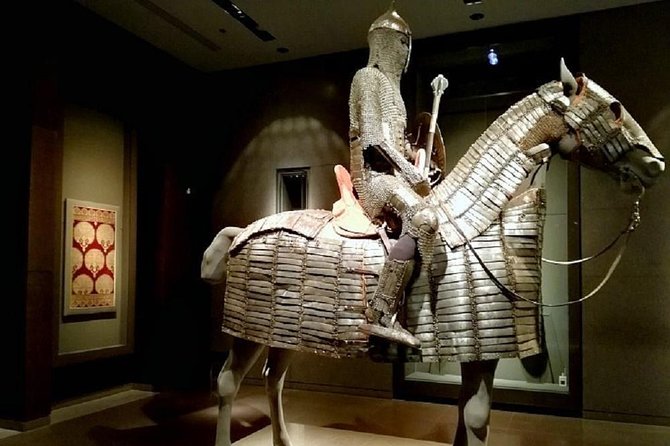
The collection also includes woodwork, textiles, fabric, ceramics, jewelry, metalwork, coins, and glass. These objects help you move beyond the idea that Islamic art means only calligraphy or mosque decoration. You can look at household items, personal ornaments, scientific connections, trade objects, and works made for religious or royal settings.
The displays are described as easy to follow, and the museum’s organization helps you move through the material without needing to know much beforehand. If you are visiting with children, large interactive displays and visual elements may help keep the visit moving, although the private guide’s ability to adjust the pace will matter.
Why the coins deserve your time
The gold and silver coins are among the most useful parts of the collection for understanding everyday life. A coin can carry a ruler’s name, a religious phrase, a date, or a mark of a particular political period. Unlike a grand palace object, it also traveled through ordinary hands.
The collection reaches back to the 7th century, giving you a way to follow changes in Muslim societies through a small, practical object. You may find that the coins connect the museum’s larger themes: belief, government, trade, and communication.
This is also an area where a private guide can add real value. Without explanation, coins can look like small metal disks behind glass. With context, they become evidence of who controlled a region and how far commercial and cultural links extended.
If you have a particular interest in Islamic history, ask to spend extra time here. The planned three-hour museum visit gives you room to do so, but you should tell your guide early if coins are a priority rather than assuming every section will receive equal attention.
The glass collection is a visual highlight
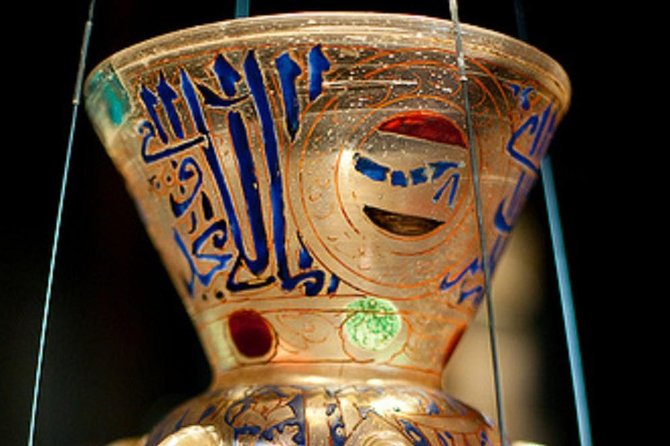
The glasswork offers a welcome change of texture and color after the manuscripts and coins. The displays include enameled glass in strong multicolored decoration, along with cut and molded pieces that are more restrained.
The variety matters. You can compare objects made for display with pieces shaped for practical use, while noticing how Islamic artists handled pattern, surface, and light. The museum’s lighting is especially helpful here. Carefully lit glass can change as you move past it, revealing details that disappear under flat or harsh illumination.
This section should appeal even if you do not normally spend much time in art museums. The color is immediate, and the shapes are easy to appreciate before you know anything about their date or original use. A guide can then help connect the object to a wider period or region.
Not quite what you had in mind? These cover the same ground differently:
- Doha: Safari, ATV, Camels, Sandboarding and Inland Sea Tour
★ 4.8 · 5,291 reviews - Doha: ATV, Quad/Buggy Dune Bashing, Camel Ride, Sandboarding
★ 5.0 · 3,784 reviews - Desert safari, Dune bashing, sandboarding, camel, ATV Option
★ 5.0 · 2,826 reviews - Qatar Gold Dune Safari, Dune Bashing,Camel Ride,Sand Boarding,Inland Sea Desert
★ 5.0 · 2,807 reviews
A closer look at ceramics, jewelry, textiles, and woodwork
Ceramics show how useful objects could also carry sophisticated decoration. Look for repeated patterns, careful symmetry, and the relationship between surface design and shape. The museum’s larger story is often easiest to grasp through objects that were handled, worn, displayed, or used in daily life.
Jewelry brings a more personal scale to the collection. It can suggest status, wealth, taste, and regional style. Metalwork and carved wood show another side of Islamic design, where geometric patterns and skilled construction matter as much as surface decoration.
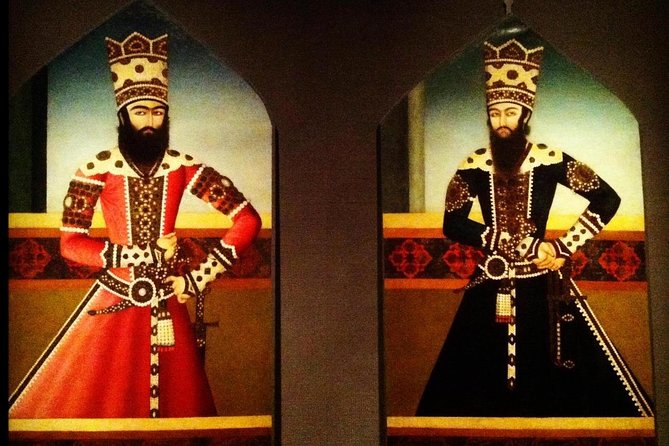
Textiles and fabric can be slower to appreciate because they may be less visually dramatic than gold or glass. Give them time. Their patterns, materials, and construction can reveal how luxury goods moved between courts, cities, and trading centers.
The museum’s collection also touches on science, including connections to astronomy and mathematics. Geometric forms are not simply decoration. They reflect ideas about order, proportion, repetition, and design that appear across many objects.
What the private format changes
The private setup is the main reason to choose this experience instead of visiting independently. Only your group participates, so you can ask questions without worrying about slowing down strangers or losing a guide in a crowd.
The drive to the museum can also be useful. One guide named Ali is praised for taking his time and sharing facts about Doha during the ride, while speaking clearly and professionally. That is exactly the sort of small addition that can improve a short museum outing, especially if you are new to Qatar.
Still, the quality of a private tour depends heavily on the guide assigned to you. The available information names Ali as a strong example, but it does not guarantee that he will lead every departure. If having a particular guide matters, ask the operator before booking.
Private transport is practical in Doha, especially if you are fitting the museum into a short stay or want pickup from your accommodation. The tour does not list a long series of stops, so most of your time should remain focused on the Museum of Islamic Art rather than being divided among several attractions.
Is four hours enough?
The experience lasts about four hours, with the museum stop listed at three hours. For a first visit, that is a good working length. You can see the building, explore the principal galleries, pause for the skyline, and still have time to return without turning the outing into an all-day commitment.
Some people may finish the main route in one to two hours, particularly if they move quickly. Others could spend several days with the collection and still find more to study. Your ideal timing depends on how closely you read labels and how much time you give to manuscripts, coins, and textiles.
I would treat three hours as a comfortable introduction, not a complete study of the museum. If you are an art specialist or a serious collector, the tour may leave you wanting a second visit. If you are on a stopover, however, the length works well and gives the museum enough attention to feel worthwhile.
Price and value at $135 per person
At $135 per person, this is not the cheapest way to enter the museum. You are paying for private transportation, pickup convenience, and a guided experience tailored to your group, rather than for admission alone.
The value improves if two or more people are sharing the private vehicle and guiding time. A family may also appreciate the ability to adjust the pace, especially when children need a break or want more time with interactive displays. Group discounts are available, though the exact reduction is not provided.
The museum admission needs clarification. One part of the tour information lists the ticket as not included and gives a cost of $14, while another line says an admission ticket is included. I would contact Oman Day Tours before booking and ask for the total price, including the museum entrance fee. That simple check prevents an unpleasant surprise.
Taxes and private transportation are included. Tips are not included, so budget separately if you feel the guide and driver provided good service.
Who should book this Doha museum tour?
I would recommend it most strongly to people who want an introduction to Islamic art without organizing transport themselves. It is also well suited to families, couples, and small groups who value privacy and the ability to ask questions.
The tour is a good fit if you enjoy architecture as much as exhibits. The building, terraces, Gulf setting, and skyline views give you more than a standard indoor museum visit.
It may be less suitable for someone who wants a quick, inexpensive museum stop. If you can reach the museum independently and are happy to read the displays on your own, the private-tour price may feel high. It may also frustrate anyone expecting a full-day art seminar, since the scheduled visit is only about three hours.
Dress respectfully. The museum presents Islamic art and operates in Qatar, where modest clothing is the sensible choice. The practical accessibility information says most people can participate, but no detailed mobility information is provided.
Booking, timing, and cancellation details
Confirmation is normally sent when you book. If you reserve within two days of the tour, confirmation may take up to 48 hours and remains subject to availability.
Free cancellation is available until 24 hours before the start time. Cancellations made less than 24 hours in advance are not refunded, and changes inside that window are not accepted. The cut-off follows local Doha time, so check the time carefully if you are booking from another country.
The experience is offered by Oman Day Tours. Pickup is offered, mobile tickets are available, and the activity is private for your group.
Should you book the Museum of Islamic Art tour?
Book this tour if you want the Museum of Islamic Art explained at a relaxed pace and prefer private transport over arranging the visit yourself. The strongest reasons are the superb building, Gulf views, manuscripts, coins, glasswork, and the chance to hear Doha context during the drive.
I would book it especially for a small group that can share the $135 per-person cost. Before confirming, ask whether the $14 museum ticket is included, and ask if Ali is available if his clear, unhurried guiding style appeals to you.
Skip the tour if you only want a quick museum entry or plan to spend many hours studying every gallery. In that case, an independent visit may cost less and give you more control. For a first look at one of Doha’s most important cultural sites, though, this private outing offers a well-shaped introduction with very little transport hassle.
FAQ
Where does this tour take place?
The tour takes place at the Museum of Islamic Art in Doha, Qatar.
How long does the experience last?
The tour lasts approximately four hours, with about three hours listed for the museum visit.
Is the tour private?
Yes. Only your own group participates in the activity.
Is pickup available?
Yes. Pickup is offered, although the available information does not specify the exact pickup locations.
Is private transportation included?
Yes. Private transportation and taxes are included in the listed tour price.
How much does the tour cost?
The listed price is $135 per person.
Is the museum entrance fee included?
The information is inconsistent. One section says the museum ticket costs $14 and is not included, while another says admission is included. Confirm this with Oman Day Tours before booking.
What can I see at the Museum of Islamic Art?
The collection includes Qur’anic manuscripts, coins, glass, ceramics, jewelry, metalwork, woodwork, textiles, fabric, and other Islamic art.
How old are the manuscripts in the collection?
The museum has more than 800 manuscripts, including Qur’ans from the 7th century and Ottoman works from the 19th century.
Can most people participate?
Yes. The available information says most people can participate, though it does not provide detailed accessibility specifications.
Is a mobile ticket available?
Yes. Mobile tickets are offered.
Can I cancel for a full refund?
Yes, if you cancel at least 24 hours before the experience start time. Cancellations made less than 24 hours before departure are not refunded.
Just added for Doha
- Doha: Night Desert Safari With Stargazing and Inland Sea★ 5.0 · 9 reviews
- From Doha: Private West Coast and Camel Race Track Tour★ 4.7 · 4 reviews
- Doha Delights City Tour with Desert Safari and Inland Sea Visit★ 5.0 · 5 reviews
- Doha Layover or Doha Stopover Tour with Desert & City Tour★ 5.0 · 3 reviews
- Private Wakesurfing or Wakeboarding along Doha’s skyline★ 5.0 · 3 reviews
- Doha-Private half day safari Sunrise/Sunset★ 5.0 · 6 reviews
- Private Dunes Bashing | Desert Safari | Sand Boarding★ 5.0 · 5 reviews
- West of Qatar Tour★ 5.0 · 2 reviews
Museums & Culture Tours, compared.
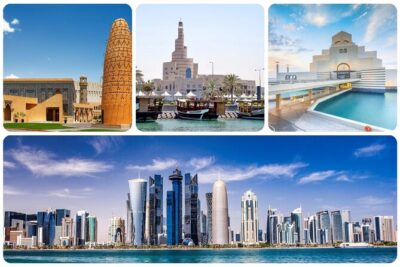
Doha City Tour | Souq Waqif | Courniche | The Pearl | Katara etc
Read our review →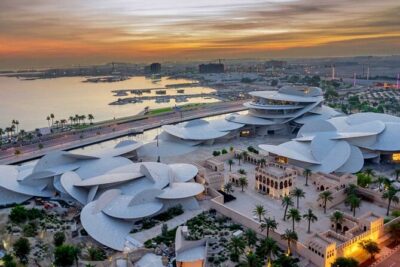
Doha City Tour: Guided Tour to Souq Waqif, Katara, Pearl Island
Read our review →
Doha City Tour: Souq Waqif, Katara, The Pearl, and Corniche
Read our review →
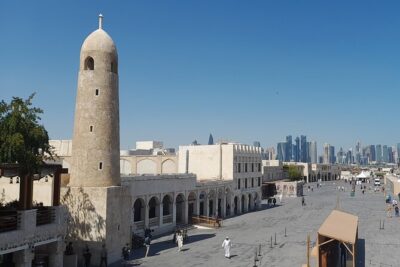
Walking Tour: Discover Souq Waqif, An Almost Free Walking Tour
Read our review →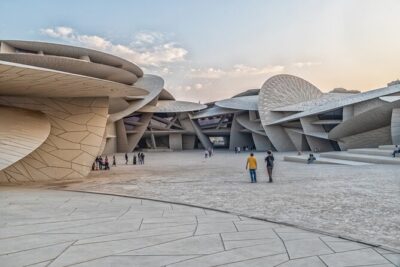
Doha Guided City Tour Souq Waqif, Katara, Pearl Qatar
Read our review →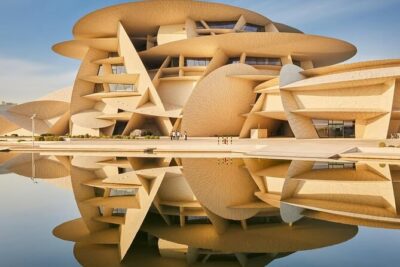
Half-Day Wonders of Doha: Culture, Skylines, Museums & Souqs
Read our review →
City Tour In Doha || Souq Waqif || Courniche || The Pearl,Katara
Read our review →Browse the lists this tour appears in